


Robert Reiss
Robert Reiss
5:00am - 6:00am
The CEO Show w/ Robert Reiss

Health

How hospitals, clinics in Pennsylvania are responding to the measles outbreak

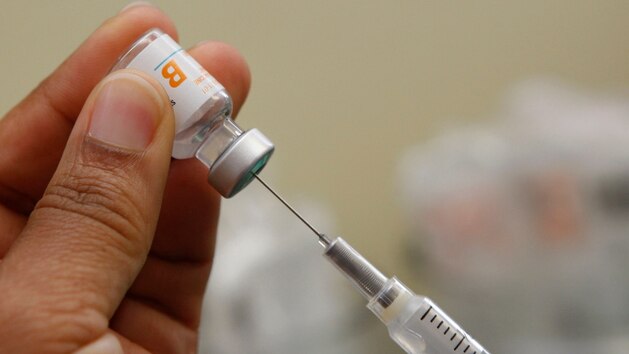
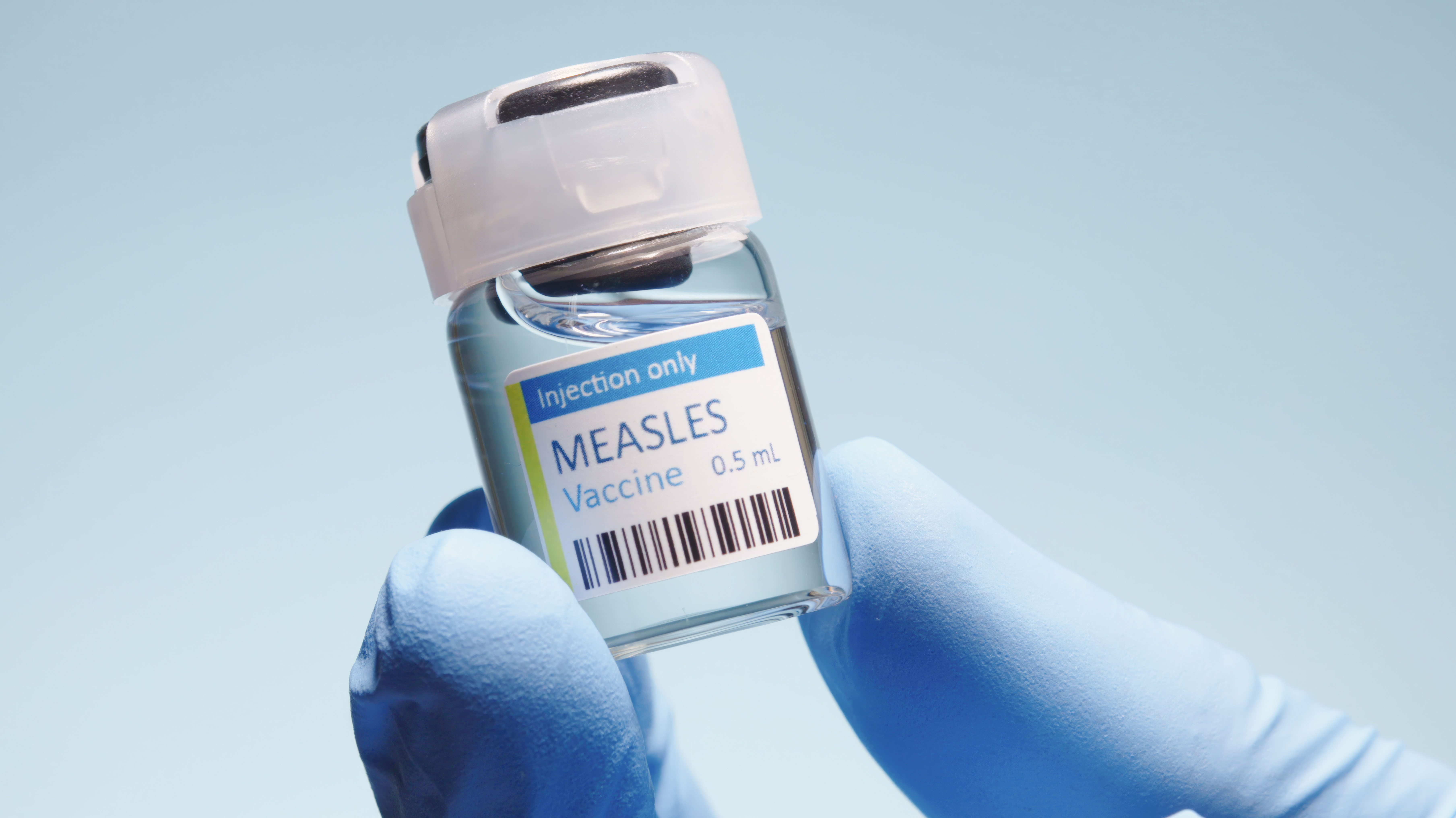
A medical assistant holds a measles, mumps and rubella vaccine at the pediatric office of Dr. Gary M. Kramer on Aug. 13, 2026, in Coral Gables, Florida. (Joe Raedle/Getty Images)

(NEW YORK) -- Prior to this year, Dr. John Goldman said he'd only seen two cases of measles throughout his career: one in the late 1980s and one in the early 1990s.

Now, Goldman said measles patients are being admitted to the hospital on a regular basis.

"We've had patients that have shown up in our outpatient offices. We've had patients show up in the hospital. We've had patients that have come in for other problems and then develop measles while they're in the hospital," Goldman, an infectious disease specialist for the University of Pittsburgh Medical Center in central Pennsylvania, told ABC News.

He went on, "So, we've gone from seeing this as an extremely rare disease, one that I literally have not seen in 30 years, to something that is now common, where we're seeing it literally every day."

Pennsylvania is facing one of its worst measles outbreaks in recent years, recording 693 cases so far this year with 133 hospitalizations, according to the state department of health.

The epicenter of the outbreak is in Lancaster County, in southeastern Pennsylvania, with 296 cases reported.

At least four measles deaths have been confirmed by the Pennsylvania Department of Health, which is the highest number of deaths recorded in the U.S. since 1992.

'Almost certainly underestimating cases'

Goldman, who supports about seven hospitals in the greater Harrisburg area, said UPMC Lititz in Lancaster County has had about 50 measles patients this year.

However, he believes the number of cases, both in Lancaster County and in Pennsylvania overall, is an undercount.

"The worst part is we're almost certainly underestimating the cases," Goldman said. "What often happens is someone shows up in the emergency room or shows up in the hospital, and they'll report that they have five or six people at home who were sick with what they think is measles ... so we don't test everybody."

Dr. Patrick Gavigan, a pediatric infectious disease physician at Penn State Health Golisano Children's Hospital in Dauphin County, which borders epicenter Lancaster County, said about 10 children have been admitted to the hospital with complications from measles in 2026.

Similarly, Gavigan said most of the children admitted to the hospital with measles came from families where everyone was previously sick with the disease.

"I would say fever, rash and respiratory distress are probably the most common [symptoms]," he told ABC News. "We've seen some more like gastrointestinal symptoms with some of our cases as well, including like hepatitis."

Most of the children are unvaccinated and have come from communities that "don't vaccinate," Gavigan said.

He added that hospitals are getting more calls each week about patients infected with measles.

Increasing interest in vaccination

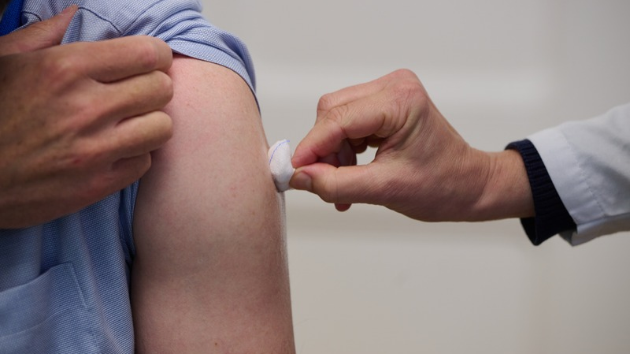
The CDC currently recommends two doses of the measles, mumps, rubella (MMR) vaccine, the first between ages 12 and 15 months and the second between ages 4 and 6. One dose is 93% effective, and two doses are 97% effective against measles, the CDC says.

Data from the Pennsylvania Department of Health shows that 6,725 MMR doses have been administered by health department staff in 2026. Fewer than 1,000 doses were administered each month from January through July but August saw about 3,500 doses administered.

This correlates with a spike in measles cases recorded in August, according to health department data.

The doctors told ABC News there has been an increase in MMR vaccinations at their respective hospitals.

"Talking with our general pediatricians, I think there has been [an] increased desire to get MMR even potentially in some people who aren't getting other vaccines," said Gavigan.

Gavigan said pediatricians in the area have also been answering questions from parents about whether their child should get an early third dose.

The CDC said early vaccination for infants living in outbreak areas. This would result in three doses overall: an early dose between age 6 months and 11 months and then the two regularly scheduled doses.

"I think there is definitely more of a perceived threat based on people hearing about all the cases and hearing about cases nearby and potentially even getting letters that they've been exposed to measles when they've been at the hospital or various places," Gavigan said.

Local communities have also been offering opportunities to get vaccinated.

In Chester County, which also borders Lancaster and 65 confirmed measles cases, the county government has hosted free MMR clinics for children and adults, some in conjunction with the state health department.

Jeanne Franklin, public health director of the Chester County Health Department, told ABC News that local health care professionals have gone into people's homes or businesses to vaccinate them with the MMR shot.

"We basically just said, 'We've got to do some at-home vaccinations,'" Franklin explained. "It's not an everyday type of service ... but we're doing it now and that has been a huge success."

And some individuals say they're more comfortable receiving the vaccine at home, she noted.

As of Monday, the Chester County Public Health Department has administered 538 MMR doses, according to Franklin.

The ChildProtect program at Penn Medicine Lancaster General Health has continued to provide free vaccinations for uninsured children in Lancaster County usually at in remote, rural areas.

Goldman said he and colleagues have seen an increase in people visiting UPMC hospitals and clinics for the MMR vaccine, particularly since the measles outbreak began.

Some UPMC staff have partnered with healthcare providers in communities with lower vaccination rates and have offered the vaccine in those areas, Goldman said.

Goldman said he's heard anecdotally about cases of "semi-clandestine vaccination," meaning people receiving the MMR vaccine without telling their friends, family or neighbors.

"Neighbors might judge them, or they're in communities which discourage vaccination, and so they sometimes don't want to know, let their friends or neighbors know that they've been vaccinated," Goldman said.

More 'aggressive' screening

Goldman said UPMC hospitals and clinics are beginning to more aggressively screen people who arrive with measles-like symptoms so other patients aren't exposed.

This includes patients with symptoms including rash, fever, cough and conjunctivitis, also known as pink eye.

"The problem is that there are some people who will just have a fever and we later find they test positive for measles," Goldman said. "It will surprise me if we can catch every case."

avigan said Golisano Children's Hospital has put signage outside the hospital to increase awareness that there's a measles outbreak in the hopes of identifying potentially infected patients.

"It's essentially a sign that lists common symptoms, asks if you've been exposed and, if you have, to call into the hospital where they could triage you over the phone so that you're not sitting in a waiting area potentially spreading measles," Gavigan said.

Penn Medicine said signs are displayed outside hospitals and some outpatient offices requesting certain individuals to call for guidance before entering, including those who are not vaccinated or have measles symptoms.

Spreading awareness

Penn Medicine said two pediatricians in its Lancaster facilities wrote a series of op-eds for their local newspaper explaining how vaccine-preventable diseases can be dangerous and how vaccines protect both the recipient and those around them.

The two pediatricians said some of the patients have brought printed copies of the articles to discuss at appointments.

Gavigan said he occasionally meets children in clinic who are unvaccinated -- not just against measles -- and he using this as an opportunity to talk about the importance of vaccination.

"We've had lots of, I think, different conversations about the MMR vaccine in different populations," he said. "It does seem like there has been, at least anecdotally, more willingness to think about vaccines in general and MMR."

Franklin, from Chester County, said members of the public health department have gone into various communities to meet residents and assess where they are in terms of their knowledge on the disease or vaccination.

"If they think they want the vaccine, then we're focusing on the vaccine," Franklin said. "If nobody has talked to these folks, then, we're going to start at the beginning: 'What is measles? What does it look like? How does it impact you, et cetera?' And then we'll get to the vaccine."

She added, "If we're not hitting the right avenues and meeting them where they are at the start, they're not hearing it, and it's no fault of their own. So we meet them where they're at in their understanding."

Copyright © 2026, ABC Audio. All rights reserved.

Measles-related deaths in Pennsylvania rise to 4, health officials say

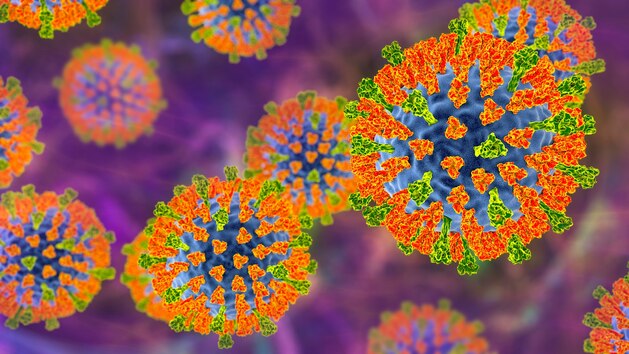
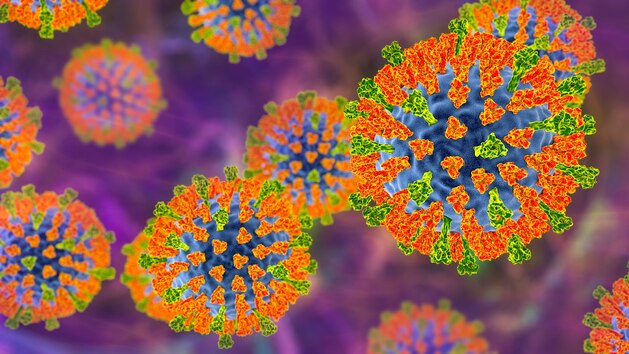
Illustration of measles virus particle. (Getty Images/Kateryna Kon/Science Photo Library)

(NEW YORK) -- Pennsylvania health officials confirmed two additional measles-associated deaths in the state on Tuesday, bringing the total number of deaths in 2026 to four.

Both of the individuals were unvaccinated, according to the Pennsylvania Department of Health.

The Corner of Mifflin County said in a statement Tuesday that one of the deaths was a was an 18-year-old who died from “complications of measles.”

The coroner said they died from acute disseminated encephalomyelitis (ADEM), which is a rare and severe complication of the measles virus and includes brain inflammation and swelling.  

On Sunday, the Jefferson County Coroner's Office confirmed the other of the two deaths was a 40-year-old woman who died the day prior.

As of Tuesday, the Pennsylvania Department of Health has reported 693 measles cases in the state, in 38 counties. Of the cases, 124 have been hospitalized, and nearly all cases are among those unvaccinated against the virus, according to data from the health department.

The last time the U.S. reported four measles deaths was in 1992. Last year, Texas reported two deaths and New Mexico reported one. 

“My thoughts are with the two families who lost loved ones to this highly-contagious virus, as Pennsylvania faces the worst measles outbreak in more than three decades,” Pennsylvania's Secretary of Health Dr. Debra Bogen said in a statement.

“We remain committed to working with our partners across Pennsylvania to stem this outbreak and prevent more deaths. That means ensuring people have the facts about measles and access to the MMR vaccine – which kept measles outbreaks at bay for decades,” Bogen added.

Copyright © 2026, ABC Audio. All rights reserved.


US health officials say cyclospora outbreak has ended as number of reported cases declines

Packages of Taylor Farms salad greens are displayed at a Safeway store on July 16, 2026, in Kings Beach, California. (Justin Sullivan/Getty Images)

(WASHINGTON) -- The Centers for Disease Control and Prevention announced Friday that the cyclospora outbreak that plagued thousands of people across the country during the summer months has ended.

The outbreak, which was eventually tied to iceberg lettuce distributed by Taylor Farms, sickened almost 13,000 people in 21 states. Two people died and at least 570 people were hospitalized due to cyclospora illness.

The FDA announced in July that it was investigating cyclospora illnesses linked to shredded iceberg lettuce served at Taco Bell locations in Indiana, Kentucky, Michigan, Ohio and West Virginia after several cases of cyclospora had been reported in late June.

The CDC said Friday more than 1,000 cases were reported in a single day at the height of the outbreak, before the contaminated lettuce was recalled by Taylor Farms on July 17. The illness notably made headlines for causing “explosive diarrhea.”

Citing a decline in infections linked to the outbreak — fewer than two per day in August — and all contaminated Taylor Farms products being taken out of circulation, the CDC said it considers this specific outbreak over. It notes the best-by dates for all products linked to the outbreak have passed and are no longer available in stores or restaurants.

The FDA will continue to investigate the cause of the contamination, which has not yet been identified.


Copyright © 2026, ABC Audio. All rights reserved.

1 death, 5 cases as New York City health officials report another Legionnaires' disease cluster

An illustration of Legionella pneumophila bacteria, the cause of Legionnaires' disease. (Roger Harris/Science Photo Library/Getty Images)

(NEW YORK) -- New York City is experiencing another cluster of Legionnaires' disease just weeks after a cluster exposure in Manhattan was declared over.

So far, five cases and one death have been recorded, the New York City Health Department said on Thursday. Health officials said they are waiting for results for other potential cases.

Cases have been detected in the 10451 and 10456 ZIP codes, which includes parts of Melrose and Morrisania in the South Bronx.

The health department said it is actively investigating the cluster and that testing is underway for samples collected among cooling towers in the area.

Health officials are advising clinicians to be on the lookout for possible cases and to conduct testing if the disease is suspected.

An outbreak earlier this summer on the Upper East Side saw more than 90 cases and 11 deaths, which health officials found was linked to bacteria in some buildings' cooling towers.

"I understand that New Yorkers may have heightened concerns following the recent Upper East Side cluster," Dr. Alister F. Martin, NYC health commissioner, said in a press release. "We are taking immediate action. Water ecologists have sampled cooling towers in the affected area. Any cooling tower that tests positive will be directed to undergo full cleaning and disinfection immediately."

Legionnaires' disease is a severe form of pneumonia caused by inhaling the Legionella bacteria in small droplets of water mixed in the air or contaminated water accidentally going into the lungs.

The bacteria are found naturally in freshwater but amounts generally don't lead to disease. The bacteria typically grow best in warm water and in warm to hot temperatures, according to the Centers for Disease Control and Prevention.

The disease does not generally spread from person to person, but infections can occur if the bacteria get into a building's water supply, including in shower heads, sink faucets, hot water tanks, heaters, cooling towers and other plumbing systems.

Legionnaires' disease has increased in prevalence over the last decade, reaching a peak of 2.71 cases per 100,000 in 2018, the CDC said. Cases dropped during the first year of the COVID-19 pandemic and then rebounded in 2021.

Although most people recover from Legionnaires' disease with antibiotics, certain patients -- including those who are immunocompromised or who suffer from chronic lung diseases -- can develop complications that can be fatal.

About one in 10 people who develop Legionnaires' disease will die from complications, according to the CDC. Among those who develop Legionnaires' disease during a stay in a healthcare facility, about 1 out of every 4 people will die, the federal health agency added.

Health officials said any New Yorkers who live or work in the affected area, or visited since late August, should contact a healthcare provider immediately if they develop symptoms, such as fever, cough, shortness of breath or muscle aches.

Copyright © 2026, ABC Audio. All rights reserved.

Walking briskly may lower risk of death in some adults: Study

(Getty Images stock photo)

(NEW YORK) -- Walking faster for 30 minutes per day can lower the risk of death in some adults, a new study suggests.

Researchers from Australia and Spain looked at 1approximately 70, 000 adults between ages 40 and 69.

Participants were broken into four categories: under 5,000 steps a day, between 5,000 and 7,000 steps a day, between 7,500 and 10,000 steps a day and above 10,000 steps a day.

The researchers also timed each participant's peak 30-minute cadence, or the average steps per minute during the most active 30 minutes of the day.

Results showed that the group with under 5,000 steps a day, a level considered as a sedentary lifestyle -- but with a peak 30-minute cadence of between 60 to 90 steps per minute -- had a lower risk of death than those with a slower peak 30-minute cadence.

Results showed that the group with under 5,000 steps a day -- but with a peak 30-minute cadence of 80 steps per minute -- had a lower risk of death than those with a slower peak 30-minute cadence.

The death risk was similar to those within the 5,000 to 7,500 steps per day group who walked at a slower pace, but with a peak cadence of 60 steps per minute.

However, the group with 7,500 to 10,000 steps per day had the lowest chance of death regardless of how fast those steps were accumulated, according to the study, published Tuesday in the British Journal of Sports Medicine.

The authors said their findings provide evidence for stepping up the intensity when walking.

They added that the results "may inform step-based interventions for middle-aged and older adults, particularly individuals with barriers to increasing daily step counts or stepping intensity."

The study had some limitations; participants only needed to log three days of activity to qualify, for example.

"Our study moves beyond single-metric approaches (e.g., focusing solely on daily step counts) to examine combinations of different step dimensions in relation to mortality risk, informing future step-related public health and clinical guidelines," the authors wrote.

Dr. Varun Mehta is a fourth-year resident at Mount Sinai Hospital and a member of the ABC News Medical Unit.

Copyright © 2026, ABC Audio. All rights reserved.

New drug shows promise in reducing COPD symptoms in smokers, clinical trials show

A healthcare professional examines a chest X-ray displayed on a tablet. (Getty Images/Tom Werner)

(NEW YORK) -- A new drug appeared to show promise in reducing rates of chronic obstructive pulmonary disease (COPD) symptoms in former and current smokers, according to results from late-stage clinical trials.

The medication, called tozorakimab and developed by AstraZeneca, is the first biologic drug to show efficacy in treating COPD symptoms, according to Dr. Frank Sciurba, professor of Pulmonary and Critical Care Medicine, University of Pittsburgh, in an AstraZeneca press release.

The results were presented at the European Respiratory Society Congress conference on Tuesday and set to be published in a peer-reviewed journal.

Patients taking inhaler regimens for COPD management, which is the current standard of care, were randomized to receive either 300 milligrams of tozorakimab once every four weeks via injection or a placebo in two separate clinical trials sponsored by AstraZeneca.

The results from the two clinical trials demonstrated a significant reduction in moderate and severe COPD symptoms in the form of exacerbations compared to placebo, according to data released by AstraZeneca.

The reductions ranged from 29% to 34% in former smokers and 29% to 30% among current and former smokers.

Tozorakimab is being developed by AstraZeneca as a first-in-class monoclonal antibody binding interleukin-33, a protein released by damaged cells that triggers inflammation in conditions such as COPD.

There are other ongoing investigations sponsored by the company to evaluate tozorakimab for potential use in asthma and lower respiratory tract disease.

Tozorakimab has been accepted for priority review by the Food and Drug Administration (FDA) as an add-on maintenance drug for adults with COPD, AstraZeneca said. This means the agency will expedite the review for potential FDA approval.

Nearly 16 million U.S. adults have COPD, a group of lung diseases that get worse over time, according to the Centers for Disease Control and Prevention (CDC).

The most COPD types are emphysema and bronchitis, the CDC says. There is no cure for COPD and treatment requires lifestyle changes, such as quitting smoking, or therapies such as medications. Tobacco smoke is the main cause of COPD in the U.S., according to the CDC.

COPD is one of the top 10 leading cause of death in the U.S., according to the CDC. The American Lung Association says that in 2021, more than 138,825 people died from COPD.

COPD is often called a"smokers' or former smokers' disease," but as many as one in four patients with COPD have never smoked, according to the CDC.

Dr. Jennifer Miao is a board-certified cardiologist and a member of the ABC News Medical Unit.

Copyright © 2026, ABC Audio. All rights reserved.

Radish sprout mix added to ongoing recall of sprouts linked to salmonella, E. coli outbreak

On Aug. 28, 2026, Everything Sprouts, LLC expanded its recall to include certain lots of Robust Radish Sprout Mix because it has the potential for cross-contamination with Shiga toxin-producing E. coli (STEC) or Salmonella from the recalled alfalfa sprouts. (FDA)

(NEW YORK) -- Everything Sprouts, the company linked to a salmonella and E. coli outbreak from alfalfa sprouts, has voluntarily expanded its recall to include radish sprout mix due to contamination concerns.

The Food and Drug Administration (FDA) shared in an update on Monday that the radish sprout mix had the potential for "cross-contamination" with bacteria from the alfalfa sprouts.

No illnesses have been traced back to the radish mix, and no new illnesses have been reported in the outbreak overall. 

The recalled Robust Radish Sprout Mix was sold in 5-ounce cups with LOT numbers 223, 226, 230 and 233. The mix was distributed from Aug. 13, 2026 to Aug. 26, 2026 to wholesale distributors and to grocery stores located in Minnesota and Wisconsin.

Last week, the Minneapolis-based company issued a voluntary recall of its 5-ounce containers of alfalfa sprouts distributed since May 27 due to potential E. coli and salmonella contamination.

At least 55 illnesses involving salmonella or E. coli have been reported across 15 states as of Aug. 24, according to the Centers for Disease Control and Prevention (CDC).

Of those sickened, two individuals had both salmonella and E. coli and at least four people have been hospitalized, according to an official outbreak notice posted by the FDA and CDC. No deaths have been reported.

Everything Sprouts said at the time that it is coordinating with the FDA and CDC on the recall.

"Everything Sprouts became aware of reports of illnesses from federal and state agencies," the company said in its notice. "During this outbreak we have tested our products daily and have not received any positive lab results. We continue to work closely with public health officials to investigate the source of this potential issue and will provide updates as they become available."

The FDA shared on Monday that its traceback investigation found at least one additional sprout grower that received and used the same lot of alfalfa sprout seeds under investigation in the current outbreak from a common seed supplier.

"The common seed supplier has instructed its customers not to use, grow, sell, transfer, or redistribute the implicated seed lot, and to return or dispose of any remaining seed," the FDA said.

The FDA had warned Everything Sprouts last year of "serious violations" following an inspection the agency had conducted at its facility. Inspectors determined the company had "insanitary conditions whereby [produce] may have become contaminated with filth, or whereby they may have been rendered injurious to heath."

FDA inspectors said they had found multiple problems, including roof leaks with water dripping onto produce and clean employee smocks. There was also "build-up of black organic matter" on a hose of the overhead irrigation system for produce, inspectors said.

The agency's letter acknowledged that the company responded to say it was going to take corrective action, but noted that it wouldn't evaluate the adequacy of its actions until its next inspection. It didn't say when that inspection would happen.

The company didn't immediately respond to ABC News' request for further comment.


Copyright © 2026, ABC Audio. All rights reserved.


North Carolina teen dies after contracting rare brain-eating amoeba found in freshwater: Officials

Microscopic 3D render of Naegleria fowleri flagellate stage with twin flagella swimming in aquatic environment. (Stock photo koto_feja/Getty Images)

(NEW YORK) -- A North Carolina teenager has died after contracting a rare brain-eating amoeba called Naegleria fowleri that's found in warm freshwater, state health officials said.

The teenager, whose identity was not released, died on Monday, the North Carolina Department of Health and Human Services said on Tuesday.

“We extend our condolences to the family, friends and community impacted by this loss,” the department said in a statement.

NCDHHS said last Thursday that the teenager was critically ill and that "once symptoms start, the disease progresses rapidly and usually causes death within about five days."

Naegleria fowleri can be found in warm freshwater including ponds, lakes and rivers, and it grows best in hotter water, state health officials said. NCDHHS said Monday that it's working with federal and local partners "to investigate all possible sources" of this case.

"The amoeba does not cause illness if swallowed but can be fatal if water with the amoeba in it is forced up the nose into the brain, which can occur by jumping into water, diving, water-skiing or other water activities," NCDHHS said.

The U.S. usually sees fewer than 10 cases a year of Naegleria fowleri infection, also known as primary amebic meningoencephalitis or PAM, state health officials said.

The first symptoms can be severe headache, nausea, vomiting and fever, and later symptoms include stiff neck, seizures and coma, NCDHHS said.

Another girl, 8-year-old Lillian Smart in Louisiana, died in August from Naegleria fowleri, which she likely contracted while swimming in a lake, her family and state health officials said, according to The Associated Press.

Copyright © 2026, ABC Audio. All rights reserved.

FDA approves breakthrough drug to treat advanced pancreatic cancer

FDA sign at its headquarters in Washington, D.C.  (Getty Images stock photo/JHVEPhoto)

(WASHINGTON) -- The Food and Drug Administration (FDA) approved on Wednesday a drug that could extend the survival of those with metastatic pancreatic cancer.

The drug, called daraxonrasib, will be sold under the brand name Rasonque from Revolution Medicines. The daily pill targets multiple forms of a protein called RAS, which is a main driver of tumor growth.

A late-stage clinical trial with 500 patients showed that the median overall survival nearly doubled to more than 13 months versus a median survival of about 6.7 months for those being treated with standard chemotherapy.

"FDA approval of daraxonrasib is an exceptional moment for patients with pancreatic cancer and the culmination of many years of research to find a way to target KRAS," Dr. Brian Wolpin, director of the Hale Family Center for Pancreatic Cancer Research at the Dana-Farber Cancer Institute, told ABC News in a statement.

"It brings a new treatment option and new hope to patients with metastatic pancreatic cancer, while giving us a foundation to make many more advances against this difficult disease," the statement continued.

About 95% of exocrine pancreatic cancers in the U.S. are pancreatic adenocarcinoma, according to the American Cancer Society.

Although pancreatic adenocarcinoma represents only about 3.2% of all cancer diagnoses, it accounts for a disproportionately high share of cancer deaths, according to the FDA.

This is due to several factors including late detection, aggressive disease course and historically limited treatment options, the federal health agency said.

In June 2025, the FDA granted the drug a "Breakthrough Therapy" designation. This allows for expedited development and review of drugs that treat serious conditions and have preliminary evidence showing substantial improvement over available treatments.

The application was reviewed under the Commissioner's National Priority Voucher Program, initiated by former FDA Commissioner Dr. Marty Makary. The review time was accelerated from 12 months to 10 months.

There is hope that this new type of targeted treatment will show benefits for other hard-to-treat cancers.

"This drug showed unprecedented results in an area of high unmet need," Dr. Angelo de Claro, director of the FDA's Oncology Center of Excellence, said in a press release. "The approval was granted 6.5 months before the user fee deadline, demonstrating the FDA's commitment to accelerating the approval of new cancer treatments for patients with serious and life-threatening conditions."

The FDA approval was granted for adults with metastatic pancreatic adenocarcinoma who have received at least one prior systemic therapy, or cancer treatments that target the entire body. Other drug candidates also include those getting multiagent systemic therapy, meaning two or more treatments.

Patients who participated in the clinical trial told "Good Morning America" in June that the drug renewed optimism about their prognoses.

One patient named Jim said that after beginning treatment with daraxonrasib, a tumor in his liver that had spread from his pancreas shrank significantly.

"The tumor that I had in my liver, which had spread from the pancreas, got reduced by 50%, which was incredible news," he told "GMA."

Copyright © 2026, ABC Audio. All rights reserved.

2 people die from measles in Pennsylvania, marking state's first deaths in 35 years

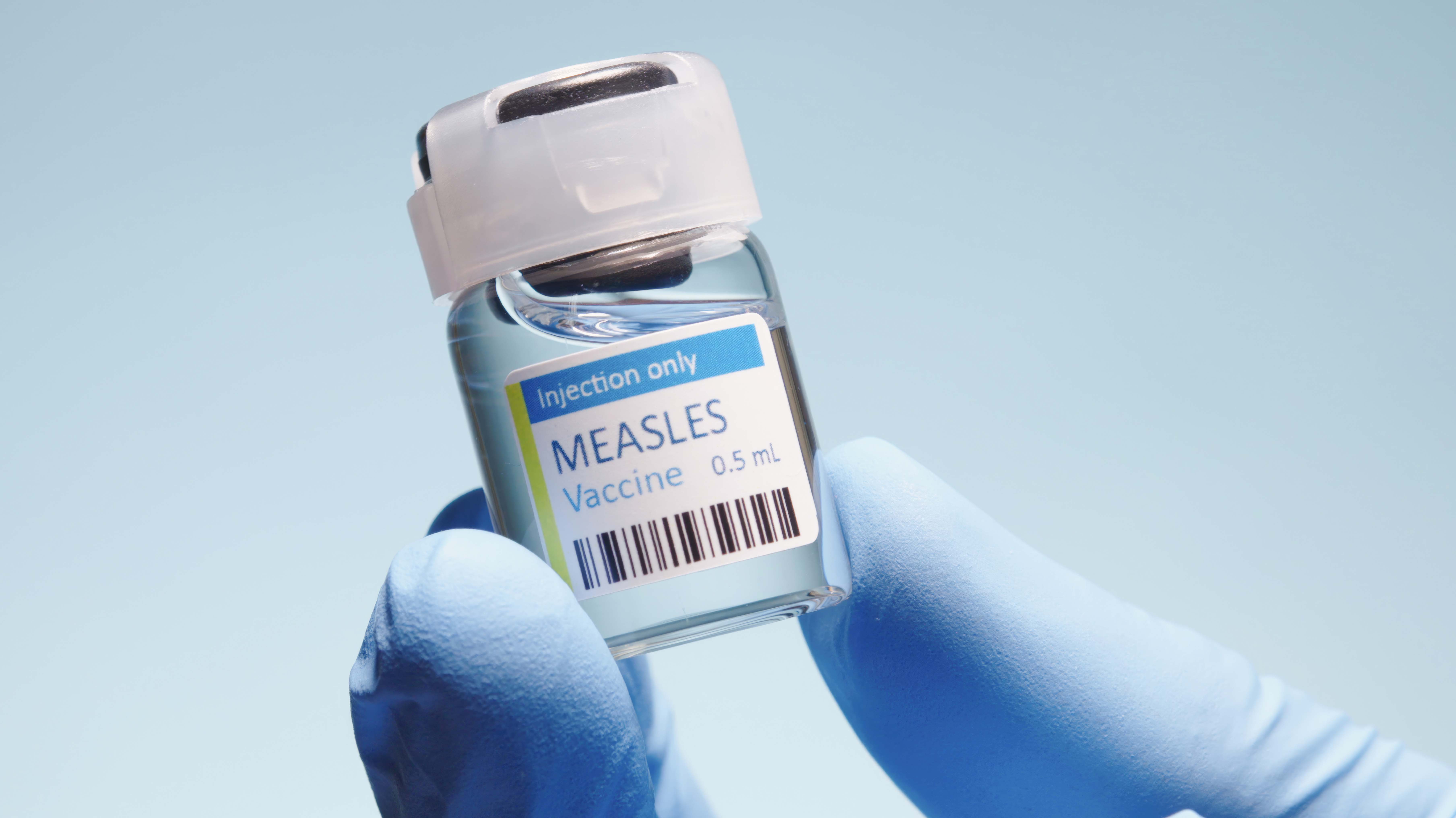
Measles, Mumps, Rubella vaccine (Getty stock photo/Kittisak Kaewchalun)

(NEW YORK) — Two people have died in Pennsylvania from measles, the state health department said Tuesday. Both were unvaccinated.

These the first deaths related to measles within the state in 35 years, according to the Pennsylvania Department of Health, and the first deaths reported this year in the U.S.

"My deepest sympathies are with the loved ones who are facing this unimaginable loss," Dr. Debra Bogen, the state's secretary of health, said in a statement. "Because measles was largely eliminated in the Commonwealth for more than three decades, people are not familiar with this disease and don't fully understand the potential severity of the illness."

In late July, the number of confirmed measles cases in the U.S. surpassed the total reported for all last year, according to data from the Centers for Disease Control and Prevention.

Last year's total of 2,289 was the highest number of recorded measles cases in more than 30 years, CDC data shows. However, the 2,777 total marks the highest number of cases recorded since 1991.

The CDC currently recommends that people receive two doses of the MMR vaccine, the first at ages 12 to 15 months and the second between 4 and 6 years old. One dose is 93% effective and two doses are 97% effective against measles, the CDC says.

Copyright © 2026, ABC Audio. All rights reserved.

At least 55 sickened in salmonella, E. coli outbreak linked to alfalfa sprouts

A sign for the Food And Drug Administration is seen outside of the headquarters on July 20, 2020 in White Oak, Maryland. (Photo by Sarah Silbiger/Getty Images)

(NEW YORK) -- At least 55 people have been sickened in a salmonella and E. coli outbreak linked to alfalfa sprouts in 15 states, health officials said Friday.

At least 4 people have been hospitalized.

The Food and Drug Administration and Centers for Disease Control and Prevention have posted an official outbreak notice on their websites.

Forty-six people were infected with E. coli, seven people were infected with salmonella and two individuals were infected with both salmonella and E. coli, officials said.

Illnesses started on dates ranging from May 31 to Aug. 8, officials said. The true number of people sick is likely higher than the numbers reported.

"The illnesses have been linked to eating alfalfa sprouts produced by Everything Sprouts, a Minnesota grower, and sold under the Calco and Everything Sprouts brands to restaurants and grocery stores," Minnesota's Department of Health said in a statement. "Health officials recommend people check for alfalfa sprouts from Calco or Everything Sprouts, not eat them, and throw them away."

On Aug. 19, the FDA initiated an inspection and sample collection at Everything Sprouts, recommending the company conduct a recall. The FDA is warning consumers and retailers not to eat or serve the contaminated products.

The FDA had warned Everything Sprouts last year of "serious violations" following an inspection the agency had conducted at its facility. Inspectors determined the company had "insanitary conditions whereby [produce] may have become contaminated with filth, or whereby they may have been rendered injurious to heath."

FDA inspectors said they had found multiple problems, including roof leaks with water dripping onto produce and clean employee smocks. There was also "build-up of black organic matter” on a hose of the overhead irrigation system for produce, inspectors said.

ABC News has reached out to Everything Sprouts for comment.

Copyright © 2026, ABC Audio. All rights reserved.

Personalized mRNA cancer vaccine shows promise in extending lifespan in melanoma trial

Stock photo of a doctor examining a patient's skin. (Lordhenrivoton/STOCK PHOTO/Getty Images)

(NEW YORK) -- Merck and Moderna announced Wednesday that a personalized mRNA-based cancer vaccine succeeded in a large, late-stage trial among high-risk patients with melanoma.

The individualized vaccine, when paired with the existing immunotherapy, Keytruda, is the first and only combination regimen that demonstrated success in potentially extending melanoma patients' lifespans.

In Phase 3 trials, the regimen significantly reduced the risk of cancer returning or spreading. The trial was conducted among patients whose high-risk melanoma had been surgically removed.

The combination treatment regimen pairs the personalized vaccine with Merck's Keytruda, which had previously been used to treat the cancer alone.

The treatment showed a 49% reduction of melanoma return after patients underwent surgery and a 59% reduction of metastasization of the cancer to distant organs.

Key questions surrounding regulatory review of the vaccine remain.

The Food and Drug Administration has not yet approved the vaccine. The agency will review the full data once it has been collected and submitted.

While the FDA has already approved other cancer vaccines, this new treatment represents a step forward in the field as it uses mRNA technology and personalized treatment for each patient.

Merck and Moderna plan to present data at an upcoming international medical meeting where they hope to engage regulators on filing submissions for approval of the regimen, the companies said in a joint press release.

Dr. Ahmad Tarhini, an oncologist at the H. Lee Moffitt Cancer Center & Research Institute, told ABC News that he expects the treatment to be approved based on very positive trial results and made available to patients likely by early 2027.

The vaccine uses genetic information from patients' individual tumors to identify and attack the cancer.

"It's what we call individualized neoantigen therapy, where we take the cancer itself, we do genetic sequencing and try to define a unique mutational fingerprint of the cancer itself," Tarhini said.

Melanoma is the deadliest form of skin cancer, with about 112,000 new cases expected in 2026, according to the American Cancer Society.

The treatment is considered relatively safe, according to the companies. The most common side effects include fatigue, sore arm and chills.

Treatments utilizing mRNA technologies are being used in trials for other forms of cancer, including that of the bladder, kidney, lungs, stomach and pancreas, according to Tarhini.

"I think it will certainly improve the outcome of our patients," Tarhini said. "We are, you know, excited about this development. My expectation is this will eventually change the standard care of our patients."

Copyright © 2026, ABC Audio. All rights reserved.


Sen. Warren demands answers from RFK Jr. over 'calamitous' response to cyclosporiasis outbreak

Elizabeth Schulze and Allison Pecorin, ABC News

(WASHINGTON) -- Democratic Sen. Elizabeth Warren wrote a letter to HHS Secretary Robert F. Kennedy Jr. seeking more information about what she called the administration's "calamitous" response to the cyclosporiasis outbreak and expressing concern that politics could be to blame.

"I write regarding the administration's calamitous response to the biggest outbreak of cyclosporiasis in U.S. history, and the extent to which the outbreak and botched response may be the result of incompetence and corruption. As Secretary of the Department of Health and Human Services (HHS), you are responsible for overseeing the federal government's response to this outbreak. Yet, the administration's handling of this crisis has been marred by missteps that raise serious questions about its decision-making," Warren wrote in the letter.

ABC News has reached out to HHS for comment on the letter.

Nationwide, there are now at least 24,000 cases of confirmed or suspected cyclosporiasis across 47 states, according to the Centers for Disease Control and Prevention. Two people have died from the parasitic gastrointestinal illness and at least 740 people have been hospitalized. Typically, there are about 3,000 cases in a given year.

The Food and Drug Administration has now traced almost 10,000 cases to recalled iceberg lettuce from Taylor Farms across 17 states.

In her letter, Warren asserts that Taco Bell, where some of the tainted lettuce was traced, "provided earlier and seemingly clearer guidance to consumers than the Food and Drug Administration (FDA), CDC, and other federal food safety agencies."

Warren also noted that Taylor Farms made donations to political organizations aligned with President Trump last year.

Federal Election Commission records show Taylor Fresh Foods, Inc., the parent company of Taylor Farms, made a $1 million donation in March 2025 to MAGA Inc., a PAC aligned with Trump.

The letter also raises concerns that the White House may have worked with Taylor Farms to delay warnings to the public about the tainted food supply. The letter points to a Wall Street Journal report that Taylor Farms lobbyists engaged with the White House to ask for more time and more proof before federal agencies implicated the company in the outbreak.

A source familiar with the situation told ABC News the FDA contacted Taylor Farms on July 14 to request a call; the company indicated it wasn't available until July 15. The source said Taylor Farms did not meet the established 24-hour timeline from the FDA to determine whether it would take voluntary action. ABC News has reached out to Taylor Farms for comment.

Taylor Farms announced the voluntary recall of iceberg lettuce across several states on July 17. The company also said it suspended production from that distributor.

Taylor Fresh Foods, when asked by ABC News for comment on Warren's letter, said it "acts in the interest of science and consumer health, not politics."

"We categorically reject suggestions that we attempted to receive or received favorable regulatory treatment due to political contributions or other improper influence. Any such allegations are false," said a spokesperson for Taylor Fresh Foods.

"Taylor Fresh Foods is a pioneer and industry leader in traceability. We fully support and endorse the Food Traceability Rule and have already implemented traceback protocols across our operations ahead of the compliance deadline," the spokesperson added.

ABC News has also reached out to the White House for comment on the letter.

On July 21, ABC's Elizabeth Schulze asked Kennedy about the cyclosporiasis outbreak and whether the federal government had it under control.

"We do have the outbreak under control," Kennedy responded. "We have an extensive forensics, epidemiological forensics, and we've identified the source of the outbreak. We and the companies that are involved have implemented a recall."

Copyright © 2026, ABC Audio. All rights reserved.

More than 24,000 cyclosporiasis infections reported as new cases appear to slow: CDC

Cyclospora cayetanensis is a unicellular parasite that causes an intestinal infection called cyclosporiasis. (Centers for Disease Control and Prevention)

(NEW YORK) -- Cases of cyclosporiasis have topped 24,000, according to the most recent data from the Centers for Disease Control and Prevention (CDC). There are at least 13,895 laboratory-confirmed cases of cyclosporiasis, including 740 hospitalizations, the data shows.

The agency is also aware of at least 10,455 additional cases that have not yet been laboratory confirmed.

The rate of increase appears to have slowed, with only about 2,000 more cases recorded over the last week. The previous week saw more than 22,000 cases recorded, a jump of over 10,000 from the week prior.

The CDC data, which was released on Tuesday, shows the ages of those who have fallen ill range between 1 and 98 years old.

There is a six-week reporting lag between when people feel sick and case reporting to the CDC, indicating that numbers will likely continue to rise. 

It comes amid an outbreak now linked to now-recalled iceberg lettuce supplied by Taylor Farms that has spread to at least 15 states.

A total of 6,358 illnesses has now been reported across those states amid the outbreak, and at least 278 hospitalizations.

"The true number of sick people in this multistate outbreak is likely higher than the number reported, and the outbreak may not be limited to the states with known illnesses," a notice from the Food and Drug Administration investigation reads.

Two deaths have been reported in Michigan in the cyclosporiasis outbreak, both individuals with significant underlying health conditions, health officials in the state said this week.

Originally, illnesses were isolated to shredded lettuce served at Taco Bell in nine states. However, health officials have found that the lettuce was also distributed to food services, retail stores and restaurants.

The lettuce was sourced in central Mexico and distributed by Taylor Farms. Last month, Taylor Farms issued a voluntary recall of all iceberg lettuce sourced from central Mexico.

Copyright © 2026, ABC Audio. All rights reserved.

Taylor Farms pulls jalapeno products sold at grocery stores

(Catherine McQueen/Getty Images stock photo)

(NEW YORK) -- Taylor Farms is now pulling more than a dozen products with jalapenos from grocery stores across the United States.

It’s the latest recall as part of the salmonella outbreak that has made 345 people sick in 27 states. Restaurant chains Chipotle and QDOBA pulled jalapenos last week. The U.S. Department of Agriculture (USDA) said this weekend grocery stores are also removing meat products that include jalapenos.

The list of 20 recalled foods includes dips, salsas and guacamole sold at grocery stores including Walmart, Target, Whole Foods, Trader Joe’s and Kroger.

The Food and Drug Administration (FDA) released a list of recalled products Sunday, which includes diced jalapenos and rice and bean burritos from Hannaford, as well as spicy pimento cheese dip, spicy Jarlsberg dip and spicy roast beef sandwiches from Kroger.

Stop and Shop and Hannaford pico de gallo salsa was also recalled.

Products recalled from Target include authentic guacamole, spicy guacamole, pico de gallo, mango pico de gallo, and taco dip. Walmart's recalled products include mild pico de gallo and hot (or spicy) pico de gallo, while fiesta style salad shrimp was recalled from Trader Joe's.

Whole Foods' recalled products include salsa fresca medium, mild pico de gallo, spicy pico de gallo, medium salsa roja, and mild pineapple mango salsa.

Recalled products were sold under brand names including Taylor Farms, Trader Joe's, Private Selection and Freshness Guaranteed. Some recalled products were unbranded.

The products were distributed across 26 states including Alabama, Arkansas, Florida, Georgia, Illinois, Indiana, Kansas, Kentucky, Louisiana, Massachusetts, Maine, Michigan, Minnesota, Missouri, Mississippi, Nebraska, New Hampshire, New York, Ohio, Oklahoma, South Carolina, Tennessee, Texas, Vermont, Wisconsin and West Virginia.

They include a "best if used by” date up to and including Aug. 16, 2026.

In a statement to ABC News, Walmart said, "Safety is a top priority. When notified of recalls, we move swiftly to remove the impacted products from our stores and implement a sales block at our registers and online. We are working closely with our supplier, and customers who have this should discontinue use.”

This all underscores Taylor Farms’ broad reach within the U.S. food system. Last year, it said it made 40% of all salad kits sold in the U.S. and accounted for 265 million servings of fresh vegetables to Americans per week.

Taylor Farms, the massive food producer also linked to the record cyclosporiasis outbreak, said it received the jalapenos from Coast Citrus Distributors. The FDA had already traced that company to the salmonella outbreak across 27 states. The FDA said the jalapenos from Coast Citrus came from Sinaloa, Mexico.

"Taylor Fresh Foods is no longer sourcing products from this farmer and will be filling orders from alternative suppliers,” Taylor Farms said in a statement. “To date, Taylor Fresh Foods is not aware of any reported illnesses linked to its products containing jalapenos.”

ABC News reached out to the Department of Health and Human Services and GrubMarket, parent company of Coast Citrus Distributors, for additional comment on the recalled foods with jalapenos but did not receive a reply.

At the same time, the scope of the separate cyclosporiasis outbreak linked to Taylor Farms is expanding. An update on the FDA’s website says potentially contaminated iceberg lettuce was also distributed to Subway locations in July. Subway did not respond to an ABC News request for comment.

The Consumer Federation of America sharply criticized Taylor Farms for not being more transparent in its original recall notice about the brands and retailers potentially affected by the parasite.

Copyright © 2026, ABC Audio. All rights reserved.

Louisiana reporting at least 5 deaths from flesh-eating bacteria in seawater

Vibrio vulnificus bacterium. (Quantico69/Getty Images)

(NEW YORK) -- Louisiana health officials on Thursday urged residents to take precautions following an uptick in severe cases of a type of dangerous flesh-eating bacteria Vibrio vulnificus.

So far this year, the state has reported nine cases, five of them fatal. During the same period in previous years, Louisiana averaged seven cases and one death.

The Louisiana Department of Health said all nine cases reported this year were linked to wounds exposed to seawater and that all of the patients had underlying health conditions.

“Vibrio bacteria occur naturally in warm coastal waters and are found in higher numbers from May to October, when water temperatures are warmer. Infection can occur when an open wound is exposed to brackish or salt water or when a person eats raw or undercooked seafood, particularly oysters,” the Louisiana Department of Health said in a statement.

Vibrio infection can result in gastrointestinal illness, wound infection, or blood poisoning, officials said.

“Some species, including Vibrio vulnificus, can cause severe and life-threatening infections. People with severe infections may require intensive care or limb amputation,” health officials added. “About one in five people with Vibrio vulnificus infection dies, sometimes within a day or two of becoming ill.”

Authorities said that people should seek medical care “immediately if a wound exposed to brackish or salt water becomes red, swollen, painful, warm, or discolored,” and that the health care provider should be told about water exposure.

Copyright © 2026, ABC Audio. All rights reserved.


Michigan health officials say people can resume regular lettuce-eating habits as new cases of cyclosporiasis slow

Fresh greens at the market. (Maria Korneeva/Getty Images)

(NEW YORK) -- Michigan health officials said on Thursday that people can resume regular lettuce- and salad greens-eating habits as new cases of cyclosporiasis slow.

It's one of nine states in a multi-state outbreak linked to shredded iceberg lettuce served at some Taco Bell restaurants.

The iceberg lettuce was supplied by Taylor Farms and sourced from central Mexico. Taylor Farms issued a voluntary recall of all iceberg lettuce sourced from central Mexico. 

The state has seen more than 12,400 cases since June, including 279 hospitalizations and two deaths, health department data shows.

Taco Bell also said it is no longer using lettuce from Taylor Farms de Mexico at any of its restaurants. 

The update from the Michigan Department of Health and Human Services (MDHHS) said the majority of contaminated produce is "likely" no longer available to consume.

Additionally, new cyclosporiasis cases and related emergency department visits are declining, MDHHS said. Most exposures occurred in late June or early July, the department noted.

"Since the start of this outbreak, MDHHS has remained committed to providing timely, transparent information and clear recommendations to Michigan residents," Dr. Natasha Bagdasarian, MDHHS chief medical executive, said in a press release. "As new data has emerged, our guidance has evolved to reflect the best available evidence, helping ensure that prevention recommendations are accurate, actionable and responsive to the changing situation."

The recommendation to avoid bagged salad mixes is no longer in effect, the department said.

"Residents may resume their usual food handling practices and make choices based on their individual risk tolerance," the release from MDHHS added.

Consumers should continue avoiding any recalled food products, health officials noted, as well as continuing to rinse fruits and vegetables and washing hands and surfaces often.

The Centers for Disease Control and Prevention has previously said it is investigating other outbreaks and illnesses of cyclosporiasis nationally that are unrelated to the nine-state outbreak.

Since May 1, cases of cyclosporiasis have topped 22,000 in 47 states, according to data updated by the CDC on Tuesday.

There are at least 10,468 laboratory-confirmed cases of cyclosporiasis, including 423 hospitalizations, the CDC data shows. The agency is also aware of at least 12,255 additional cases that have not yet been laboratory confirmed or require further investigation and analysis.

Copyright © 2026, ABC Audio. All rights reserved.

Measles exposure reported at Universal Studios Hollywood

Stock photo of a person with the measles. (Mumemories/Getty Images)

(NEW YORK) -- Los Angeles County health officials said a person infected with measles visited Universal Studios Hollywood last month and potentially exposed others to the virus.

The county's Department of Public Health said Wednesday that it is investigating the case involving the visitor who was at the theme park on July 26. Other possible locations within the county are being probed, according to the health department.

Anyone who was in the park that day between 10 a.m. and 9 p.m. is asked to confirm their protection against the virus and is warned that they may be at risk of developing measles from seven to 21 days after being exposed, according to the health department.

Health officials said that people who have been vaccinated against the virus are likely to be protected, as are people who had measles previously.

"People who are unimmunized or have unknown measles immunization status are at higher risk and should monitor for symptoms closely. Anyone who remains symptom-free for more than 21 days after being exposed is no longer considered at risk," the health department said in a statement.

A spokesperson for Universal Studios Hollywood said in a statement Friday that the park is working with the health department in their probe.

"The safety and security of our guests and team members is our highest priority," the company said.

Measles symptoms include fever, cough, runny nose, red eyes or a rash. The virus can spread through the air and can remain in the air or on infected surfaces for up to two hours after an infected person leaves an area.

Anyone who believes they have contracted measles is urged to call a doctor immediately, according to the health department.

"Measles spreads easily and can lead to serious complications, including pneumonia, brain swelling, and even death," Dr. Muntu Davis, the Los Angeles County Health Officer, said in a statement.

Over 2,300 measles cases have been recorded this year, the highest number since 1991, according to the U.S. Centers for Disease Control and Prevention.

The majority of measles cases in 2026 have been confirmed among children and teenagers aged 19 and younger, according to the CDC. About one in 10 children under age 5 diagnosed with measles this year have been hospitalized.

About 93% of cases this year are among people who are unvaccinated or whose vaccination status is unknown, CDC data shows.

The CDC currently recommends that people receive two doses of the MMR vaccine, the first at ages 12 to 15 months and the second between 4 and 6 years old. One dose is 93% effective, and two doses are 97% effective against measles, the CDC says.

-ABC News' Mary Kekatos contributed to this report.

Copyright © 2026, ABC Audio. All rights reserved.

Salmonella outbreak linked to jalapenos served at Chipotle expands to Qdoba: FDA

Jalapeño peppers on display at a local street market in San Antonio, Texas. (Getty Images/Gabriel Perez)

(NEW YORK) -- Health officials are expanding an investigation into jalapenos served at Chipotle restaurants to include Qdoba restaurants. The Food and Drug Administration said the jalapenos may be a possible source of a growing salmonella outbreak that has infected 345 people across 27 states.

Both restaurants have removed the jalapenos from their stores, the FDA said.

Qdoba said in a statement to ABC News that it is "cooperating with public health authorities" in the investigation and have pulled jalapenos from their restaurants.

"Out of an abundance of caution, we have proactively removed jalapenos from all our restaurants at this time," the restaurant chain said. "We take any report involving guest health seriously and are committed to responding appropriately based on the facts and guidance from public health authorities."

"Food safety is our highest priority," Qdoba added. "We maintain rigorous food safety standards and work closely with our suppliers, distribution partners, and restaurant teams to help ensure the safety and quality of the food we serve."

Chipotle previously told ABC News they had removed jalapenos from affected restaurants in multiple states as well.

"We have a robust ingredient traceability system and, upon learning of a potential Salmonella outbreak in the supply chain impacting several food service retailers, we proactively identified jalapenos as a potential common ingredient from a common lot, removed them from the restaurants where they had been distributed, and replaced them with product from different growers," Laurie Schalow, Chipotle's chief corporate affairs and food safety officer, said in a statement.

The FDA identified through a traceback investigation that both Chipotle and Qdoba received food ingredients that were grown in Mexico and imported by Coast Citrus Distributors from Sinaloa. Coast Citrus Distributors has since agreed to recall jalapeno product from the market, per the FDA.

Salmonella are bacteria that can cause a common foodborne illness called salmonellosis, according to the Centers for Disease Control and Prevention. Infections tend to occur more in the summer, when warmer weather presents ideal conditions for the bacteria to grow, the agency states.

Symptoms of a salmonella infection may include watery diarrhea, stomach cramps, headache, nausea, vomiting, and a loss of appetite, according to the CDC. Symptoms can start anywhere from six hours to six days after infection and can last from four to seven days, the agency says.

According to the CDC, the highest number of reported salmonella cases are currently located in Minnesota and Colorado, with at least 110 cases in each state so far. Overall, there have been zero deaths reported but 36 have been hospitalized, the CDC said.

The Minnesota Department of Health previously told ABC News the agency expects the number of salmonella cases to potentially increase in the coming days, noting that "it takes us a while to detect cases in surveillance."

"Our investigations often start with speaking to persons diagnosed with a foodborne illness that were reported to the health department as part of our surveillance," the department said. "We'd like to ask the public to please answer our calls. The information they provide is critical to solving outbreaks quickly."

The FDA said it does not consider there to be an ongoing risk from eating at Qdoba or Chipotle restaurants. 

Each year, the CDC estimates the U.S. sees about 1.35 million salmonella infections.

ABC News has reached out to GrubMarket, which owns Coast Citrus Distributors for comment.

Copyright © 2026, ABC Audio. All rights reserved.


Trump administration to end Medicare Part D subsidy program in 2027

Dr. Mehmet Oz speaks at the Wisconsin Air National Guard facility at Milwaukee Mitchell International Airport on July 8, 2026, in Milwaukee, Wisconsin. (Photo by Mark Schiefelbein-Pool/Getty Images)

(WASHINGTON) -- The Trump administration is ending a key health insurance subsidy program that aimed to keep premiums for seniors' prescription drug plans in check, claiming that it benefits corporate insurance companies, according to Centers for Medicare & Medicaid Services Administrator Mehmet Oz.

Medicare Part D -- the government health insurance program's prescription drug benefit -- is used by tens of millions of older or disabled beneficiaries.

The program's subsidies are set to expire at the end of the year, the administration announced Tuesday.

That move will likely result in higher prescription costs and increase premiums for about half of recipients, according to an administration official.

The changes are anticipated to happen in 2027 and enrollees will find out the new monthly cost later this fall, administration officials said.

Currently the government pays billions of dollars to insurance companies as a subsidy to keep prescription drug insurance at an average of $36 per person per month, according to KFF, a health policy nonprofit. 

Ending the subsidies may increase premiums for some by as much as $20 a month, according to KFF.

The move comes as Affordable Care Act subsidies have expired and health care costs remain a top issue for voters ahead of the midterm elections. The ACA subsidies helped lower the out-of-pocket costs for monthly premiums for people who purchased health care through the health insurance marketplace.

Trump administration officials decried the Biden administration for signing the Inflation Reduction Act, which they allege bailed out major insurance companies and resulted in increased premiums for Americans. Trump officials also claim that billions of dollars were funneled to the companies through Biden’s signature legislation

At the time, Biden officials touted the Inflation Reduction Act for allowing the government to negotiate with drug companies about the pricing for some of their most expensive medicines.  

"We are stabilizing the market so this bailout is no longer needed," Oz wrote in a post on X. "Premiums will go up by less than $10 for most Medicare recipients, with many even seeing LOWER premiums."

"Every Medicare beneficiary still has access to low-cost plans, and we will continue to lower prescription drug prices for every American patient, from more MFN deals to our policy giving seniors access to GLP-1s for $50 a month," he added, referring to "most favored nation" deals under which pharmaceutical companies charge U.S. patients the same rate as they charge in other countries.

The news about the Medicare Part D subsidies ending was first reported by The Wall Street Journal.

About half of enrollees will either see a premium increase of less than $10 or a premium decrease and most will have plans available at $10 or less, according to a Trump administration official.

Copyright © 2026, ABC Audio. All rights reserved.


Weather


Closings & Delays

RI EMERGENCY MANAGEMENT

Rhode Island Features

On Facebook